1. Abstract & Project Significance
This project is particularly significant because it bridges the gap between large-scale industrial machinery and small-scale, accessible manufacturing setups. By adapting traditional wire drawing techniques into a portable, manual-crank form, this setup serves as a learning tool for students, hobbyists, and small workshops. It also emphasizes low-cost prototyping, which is essential for experimentation in resource-limited environments.
This project focuses on developing a cost-effective and portable wire drawing setup capable of reducing the diameter of copper or aluminum wires through manual operation. The aim is to create a compact, hand-crank-powered system that demonstrates the principles of wire drawing without requiring large-scale industrial setups. This working model helps in understanding metal forming processes while being affordable, portable, and educationally valuable.
2. Project Objective
To design and fabricate a small-scale, manually operated wire drawing machine that can demonstrate the metal forming process of wire diameter reduction, specifically targeting educational demonstrations and low-scale applications (e.g., jewelry making).
3. Methodology & Engineering Workflow
- Literature Review: Studied manual wire drawing techniques, drawing force equations, and small-scale mechanical leverage.
- Material Selection: Selection of suitable hardened steel drawing dies (interchangeable sizes) and work materials (copper or aluminum wires).
- CAD Design: Designing a portable frame structure with a die holder slot, guide rollers, and an ergonomic manual hand-crank gearing mechanism in SolidWorks.
- Fabrication: Manufacturing structural frame members using locally available mild steel, and machining the crankshaft and guide rollers.
- Assembly: Aligning components to ensure smooth wire feeding without lateral slippage.
- Testing & Tuning: Testing the setup with various wire diameters to verify reduction limits, making adjustments for optimal handle torque and lubrication.
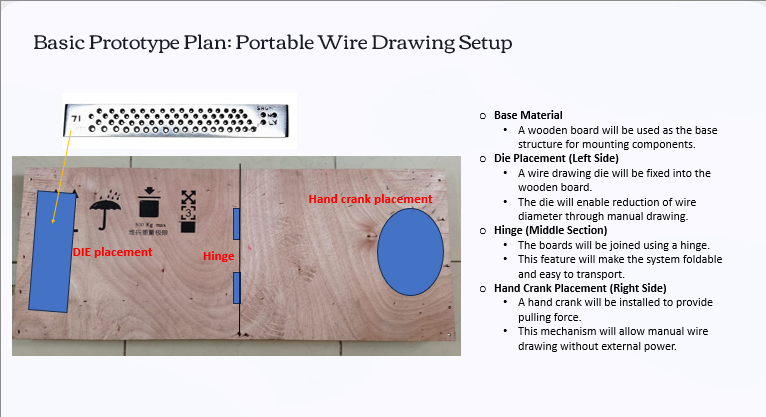 Figure 1: Initial conceptual sketch showing layout configuration
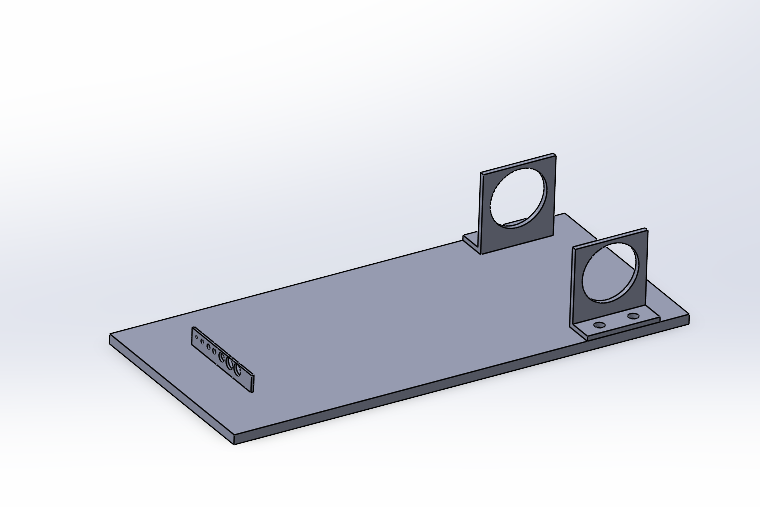 Figure 2: 3D CAD modeling of the modular tabletop assembly
4. Innovation
The innovation lies in creating a compact, portable, and low-cost wire drawing machine that can be operated without electricity, making it ideal for remote locations, educational labs, and small workshops. While industrial wire drawing machines are large, expensive, and require significant power, this setup focuses on simplicity and portability without compromising the demonstration of the actual process. The inclusion of interchangeable dies and an ergonomic hand-crank system enhances usability.
5. Bill of Materials (BoM) & Budget
| Component Detail | Material Class & Sizing | Estimated Cost |
|---|---|---|
| Frame & Supports | Mild steel bars, structural plates | ₹800 |
| Drawing Dies | Set of 3 sizes, hardened steel | ₹1,200 |
| Hand Crank & Bearings | Ergonomic handle shaft, ball bearings | ₹500 |
| Fasteners & Assembly | M8/M10 bolts, nuts, and washers | ₹300 |
| Miscellaneous | Paint, wire-drawing lubricants | ₹200 |
| Total Project Cost | Low-cost, portable prototype | ₹3,000 |
6. Expected Outcomes & Applications
Expected Outcomes:
- A fully functional, small-scale tabletop wire drawing machine.
- Demonstration of clear diameter reduction in soft metal wires through manual operation.
- Educational aid for teaching plastic metal forming processes.
Applications:
- Educational institutions for practical lab demonstrations.
- Small-scale jewelry making and wire profiling.
- Repair and maintenance workshops.
- Remote areas with limited access to electricity.
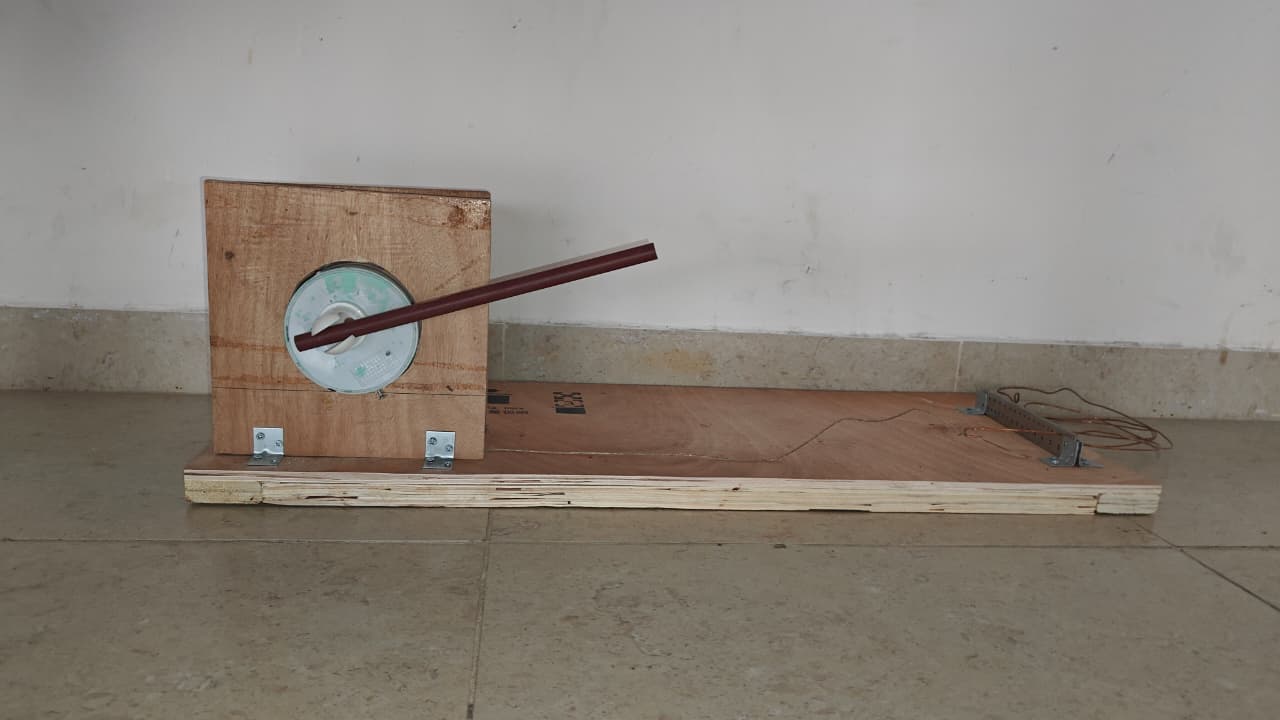 Figure 3: Fabricated tabletop wire drawing system prototype
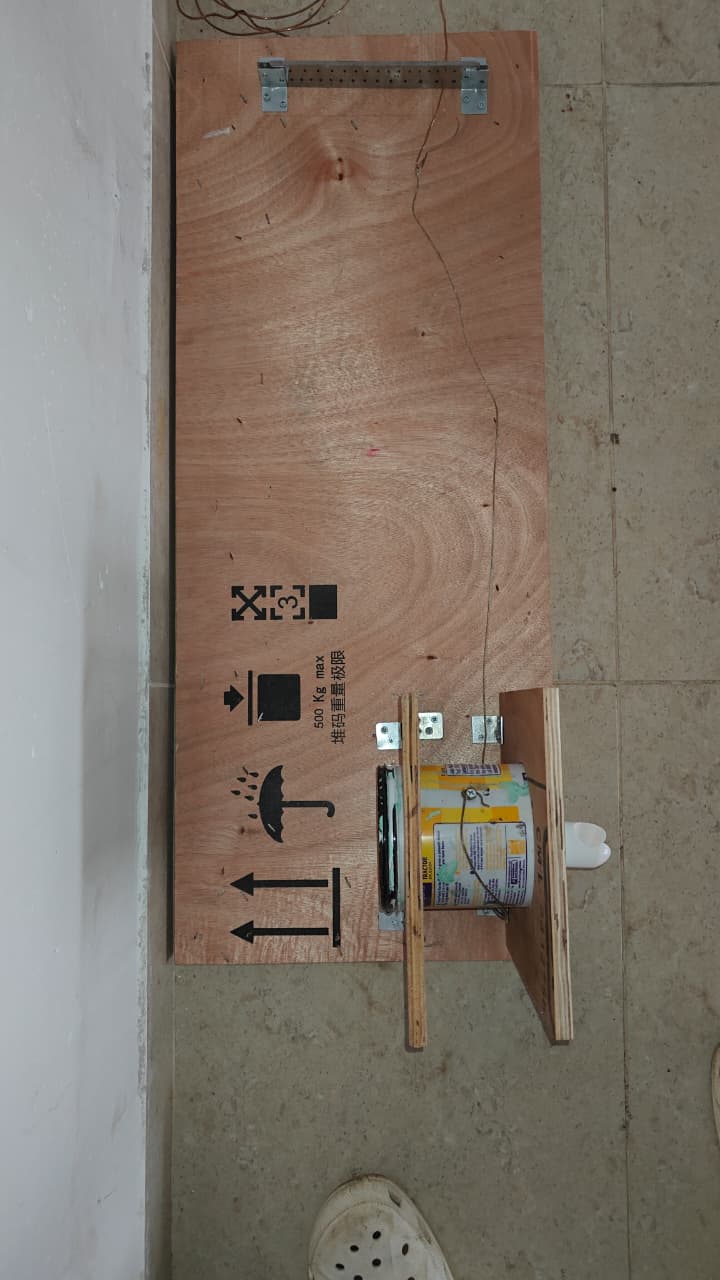 Figure 4: Detail view of manual drawing crank and die block holder
Key Innovation Summary
This portable setup demonstrates that core industrial deformation processes can be scaled down into simple, hand-cranked mechanisms, creating an affordable and highly educational engineering demonstration kit.